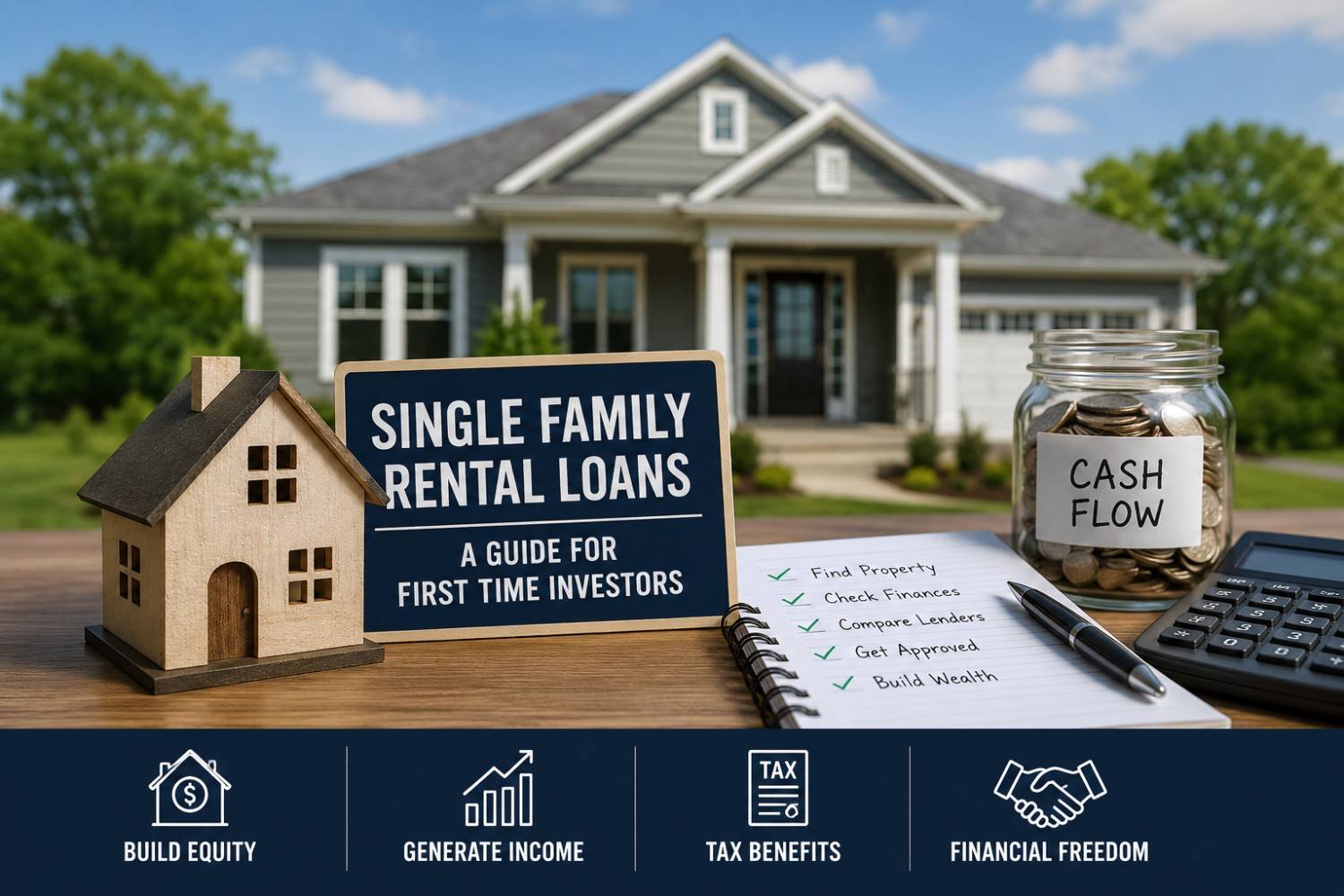
Investing in rental property is one of the most reliable ways to build long term wealth in the United States. Many successful real estate investors started with just one property and gradually expanded their portfolios over time. If you are planning to buy your first investment property, understanding single family rental loans is one of the most important steps before making your purchase.
Unlike a home loan that is designed for a primary residence, single family rental loans are specifically created for properties that generate rental income. They give investors the opportunity to purchase or refinance rental homes while preserving their cash for future investments.
This guide explains everything first time investors need to know about single family rental financing, how the application process works, what lenders look for, and how to improve your chances of approval.
What Are Single Family Rental Loans?
Single family rental loans are financing solutions designed for investors who want to purchase or refinance a single family home that will be rented to tenants instead of occupied by the owner.
These loans help investors finance properties that produce monthly rental income while allowing them to keep working capital available for future opportunities.
Many single family rental lenders offer flexible financing options that are better suited for investors than traditional residential mortgages.
These loans are commonly used for:
- Buying your first rental property
- Expanding an existing rental portfolio
- Refinancing an investment property
- Purchasing turnkey rental homes
- Financing long term rental investments
Why First Time Investors Choose Single Family Rental Loans
Buying a rental property with cash is not possible for everyone. Financing allows investors to purchase property sooner while keeping money available for repairs, maintenance, or future investments.
Some of the biggest advantages include:
Preserve Your Cash
Instead of paying the entire purchase price upfront, financing allows you to spread the cost over time.
Build Wealth Faster
Using financing allows you to purchase investment properties earlier instead of waiting years to save enough cash.
Generate Rental Income
Rental payments can help cover monthly loan payments while building equity in the property.
Potential Tax Benefits
Investment property owners may qualify for tax deductions related to mortgage interest, depreciation, insurance, and operating expenses. Always consult a qualified tax professional for advice specific to your situation.
Portfolio Growth
Once you gain experience with your first property, you may be able to use additional single family rental financing to purchase more rental homes.
How Do Single Family Rental Loans Work?
The process is straightforward.
First, you identify an investment property that meets your investment goals.
Next, you apply with one of the experienced single family rental lenders. The lender reviews your financial information, evaluates the property, and determines whether the investment meets its lending guidelines.
If approved, the lender provides financing, allowing you to purchase the property.
You then rent the property to tenants, collect monthly rental income, and make scheduled loan payments.
Who Can Apply?
Many people believe rental property financing is only for experienced investors. That is not true.
First time investors often qualify if they meet lender requirements.
Applicants may include:
- First time real estate investors
- Working professionals
- Business owners
- Self employed borrowers
- LLCs
- Experienced landlords
- Real estate investment companies
Many single family rental lenders understand that everyone starts somewhere and offer financing programs for new investors.
Types of Properties That May Qualify
Single family rental financing is generally available for:
- Detached single family homes
- Townhomes
- Certain planned unit developments
- Investment properties intended for long term rental
Each lender has different property requirements, so always verify eligibility before making an offer.
What Do Lenders Look For?
Although every lender has unique guidelines, most evaluate several important factors.
Credit History
A strong credit history demonstrates responsible financial management.
Some lenders accept lower credit scores depending on the overall strength of the application.
Down Payment
Investment properties usually require a larger down payment than primary residences.
The amount depends on the lender, borrower qualifications, and property type.
Property Value
The lender orders an appraisal to determine the property’s market value.
Rental Income Potential
Many lenders review expected rental income when evaluating the investment.
Higher rental income often strengthens the loan application.
Cash Reserves
Having savings available after closing shows that you can handle unexpected expenses.
Debt Obligations
Lenders review your current financial obligations to determine your ability to manage additional debt.
Documents You May Need
Preparing documents early helps speed up the approval process.
Common documents include:
- Government issued identification
- Purchase agreement
- Bank statements
- Tax returns if required
- Business documents for LLCs
- Property information
- Insurance information
- Lease agreement if the property is already rented
Some lenders may request additional documentation depending on your situation.
How Much Down Payment Is Required?
Down payment requirements vary.
Many investors should expect to contribute between 20 percent and 30 percent of the purchase price, although requirements differ among lenders.
Several factors affect the required down payment, including:
- Credit profile
- Loan amount
- Property condition
- Investment experience
- Market conditions
Speaking with multiple single family rental lenders can help you compare available financing options.
Understanding Interest Rates
Interest rates depend on several factors.
These include:
- Credit score
- Down payment
- Loan amount
- Property location
- Loan program
- Market conditions
A lower interest rate can significantly reduce the total cost of financing over the life of the loan.
Common Loan Terms
Before accepting financing, understand these important terms.
Principal
The amount borrowed.
Interest
The cost of borrowing money.
Amortization
The schedule used to repay the loan over time.
Escrow
An account used to pay property taxes and insurance.
Closing Costs
Fees associated with completing the loan transaction.
Understanding these terms helps first time investors make informed decisions.
Tips to Improve Your Chances of Approval
Check Your Credit
Review your credit report and resolve any errors before applying.
Save for a Larger Down Payment
A higher down payment may improve loan approval and reduce monthly payments.
Organize Financial Documents
Having documents ready speeds up underwriting.
Choose the Right Property
Properties with strong rental demand often receive more favorable consideration.
Maintain Cash Reserves
Unexpected repairs happen. Having extra savings provides financial security.
Work With Experienced Lenders
Experienced single family rental lenders understand investment financing and can guide first time investors through the process.
Common Mistakes First Time Investors Make
Buying Based Only on Price
An inexpensive property is not always a profitable investment.
Consider rental demand, neighborhood quality, and long term appreciation.
Ignoring Repair Costs
Always budget for repairs before purchasing.
Overestimating Rental Income
Research local rental rates instead of relying on assumptions.
Skipping Property Inspections
Professional inspections can uncover costly issues before closing.
Choosing the Wrong Loan
Different financing programs serve different investment goals.
Compare options before making a decision.
Failing to Budget for Vacancies
Even strong rental markets experience occasional vacancies.
Plan for temporary periods without rental income.
How to Choose the Right Property
Location plays a major role in rental success.
Look for areas with:
- Strong employment opportunities
- Population growth
- Good schools
- Low vacancy rates
- Nearby shopping and transportation
- Stable property values
A great property in a strong market often performs better over the long term.
Questions to Ask Before Applying
Ask your lender questions such as:
- What types of properties qualify?
- What is the minimum down payment?
- How long does approval take?
- Are there prepayment penalties?
- What documents are required?
- How are interest rates determined?
- Are loans available for LLCs?
- What closing costs should I expect?
Clear answers help avoid surprises during the financing process.
Why Rental Property Cash Flow Matters
Positive cash flow means your rental income exceeds your expenses.
Expenses include:
- Loan payment
- Property taxes
- Insurance
- Maintenance
- Property management
- Vacancy allowance
Positive cash flow creates a healthier investment and reduces financial stress.
Building Your Investment Portfolio
Your first rental property is often just the beginning.
As you gain experience, many investors continue using single family rental financing to purchase additional properties.
Building a portfolio gradually allows investors to:
- Increase rental income
- Build equity
- Diversify investments
- Create long term financial stability
Successful investors typically focus on purchasing quality properties rather than rushing to acquire many properties quickly.
Why Work With Experienced Single Family Rental Lenders?
Choosing the right lender is just as important as choosing the right property.
Experienced single family rental lenders understand the unique needs of real estate investors and often provide financing options that fit investment strategies better than traditional residential mortgages.
Benefits of working with experienced lenders include:
- Faster approval process
- Investor focused loan programs
- Flexible financing options
- Knowledge of rental property markets
- Clear communication throughout the loan process
- Guidance for first time investors
The right lending partner can make the financing process much smoother.
Is Single Family Rental Financing Right for You?
Single family rental financing can be an excellent option if you:
- Want to build long term wealth
- Plan to generate rental income
- Prefer owning investment property instead of other investments
- Want to preserve cash for future opportunities
- Are prepared to manage investment property responsibly
Like any investment, success requires research, planning, and careful financial management.
Final Thoughts
Purchasing your first rental property is an exciting milestone, but choosing the right financing is equally important. Understanding how single family rental loans work, preparing your finances, researching local markets, and partnering with experienced single family rental lenders can help you make informed decisions with confidence.
Every successful real estate investor starts somewhere. With the right property, a clear investment strategy, and suitable single family rental financing, your first rental home can become the foundation for a growing real estate portfolio and long term financial success.
If you are ready to finance your first investment property, working with an experienced lender can help you navigate the process, understand your options, and move forward with greater confidence.
Frequently Asked Questions
What is a single family rental loan?
A single family rental loan is financing designed for investors who want to purchase or refinance a single family home that will be used as a rental property rather than as their primary residence.
Can a first time investor qualify for single family rental loans?
Yes. Many lenders offer financing programs for first time investors. Approval depends on factors such as credit history, income, down payment, cash reserves, and the property’s rental potential.
How much down payment is required for a single family rental loan?
Many lenders require a down payment between 20 percent and 30 percent, although the exact amount varies based on the lender, borrower qualifications, and the property.
What documents are needed for single family rental financing?
Common documents include a government issued ID, purchase agreement, bank statements, property details, insurance information, lease agreements if applicable, and additional financial documents requested by the lender.
What credit score is needed for a single family rental loan?
Minimum credit score requirements vary by lender. A stronger credit profile generally improves your chances of approval and may help you secure better loan terms.
Can I buy multiple rental properties using single family rental loans?
Yes. Many investors begin with one rental property and gradually expand their portfolio by obtaining financing for additional qualifying properties.
How long does it take to get approved?
Approval timelines vary depending on the lender, documentation, and property details. Well prepared applications with complete documentation typically move through the process more quickly.
Are single family rental loans different from traditional home loans?
Yes. Single family rental loans are designed for investment properties and often have different qualification standards, down payment requirements, and underwriting criteria than loans for owner occupied homes.
Do single family rental lenders consider rental income?
Yes. Many lenders evaluate the property’s expected or existing rental income as part of the approval process because it helps determine the property’s ability to support the loan.
Is single family rental financing a good option for building long term wealth?
For many investors, it can be. A well selected rental property financed with the right loan can generate rental income, build equity over time, and provide opportunities to grow a real estate investment portfolio while creating long term financial value.
Leave a Reply